.png)


Last Updated on December 04, 2025
Last Updated on December 04, 2025





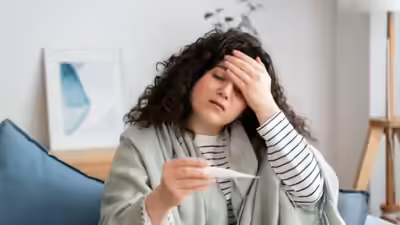
Every monsoon, hospitals across India see a surge of patients with high fever, body pain and “viral-like” illness. Hidden among these is leptospirosis – a bacterial infection that spreads from animals (especially rats) to humans. It is caused by a spiral-shaped bacterium called Leptospira and is commonly linked to exposure to dirty water or mud contaminated with rat urine. People can get infected when contaminated water or soil touches cuts on the skin, or the eyes, nose or mouth. Walking barefoot in stagnant water, wading through floodwater, working in paddy fields, or cleaning drains are typical risk situations in India. Urban residents are not exempt – leaking sewage, rodent-infested basements and poorly drained streets after heavy rain also increase risk. The real danger is that early leptospirosis often looks like a simple viral fever, so treatment gets delayed.
Here are early warning signs that are frequently missed:
Sudden high fever with severe body pain: The illness usually begins abruptly with fever, chills and intense muscle pain. A classic pointer is pain in the calves and lower back. When this pattern follows recent exposure to dirty water or mud, leptospirosis should be on the list.
Strong headache and extreme tiredness: Severe headache, overwhelming fatigue are common, but often dismissed as “viral fever” or flu. In some, the headache can be out of proportion to the degree of fever.
Red eyes without discharge: One of the most characteristic early signs is redness of both eyes, called conjunctival suffusion. The eyes look bloodshot and watery but there is usually no sticky discharge like in typical conjunctivitis. This subtle sign is easy to overlook, but in a patient with fever, leg pain and recent water exposure, it is a big clue to leptospirosis.
Stomach and chest symptoms: Nausea, vomiting, loose stools and abdominal pain are common early features. Some patients also develop a dry cough or mild breathlessness. Because these complaints are nonspecific, they are often treated as “flu” or viral infection unless the exposure history is carefully taken.
When things start to turn serious: If untreated, a minority of patients progress in a few days to more severe disease with yellowing of the eyes (jaundice), reduced urine output, confusion or coughing up blood. These are late and dangerous signs – we want to catch leptospirosis much earlier, before organs are affected.
When should you see a doctor? If you have:
High fever with severe body pains (especially in the calves/lower back), and Red eyes without discharge, .Recent exposure to floodwater, paddy fields, gutters, sewage, or rodents you should see a doctor immediately and mention your exposure.
Simple blood tests can support the diagnosis, and early antibiotics can be lifesaving. In the Indian monsoon and post-flood season, not every fever is simple. Recognising these early warning signs of leptospirosis – especially fever plus calf pain plus red eyes after dirty-water contact – can help you seek timely care and prevent serious complications.
For clarifications/queries, please contact Public Talk of India at:
+91-98119 03979 publictalkofindia@gmail.com
For clarifications/queries,
please contact Public Talk of India at: